No, you can’t legally destroy or damage a neighbor’s property, but you can learn how to block neighbors’ security cameras using physical barriers on your own land. If the device records private areas of your home, you can request an adjustment or install a privacy screen. Check local privacy laws to understand your rights before taking any action.
Legal rights regarding your neighbors security camera
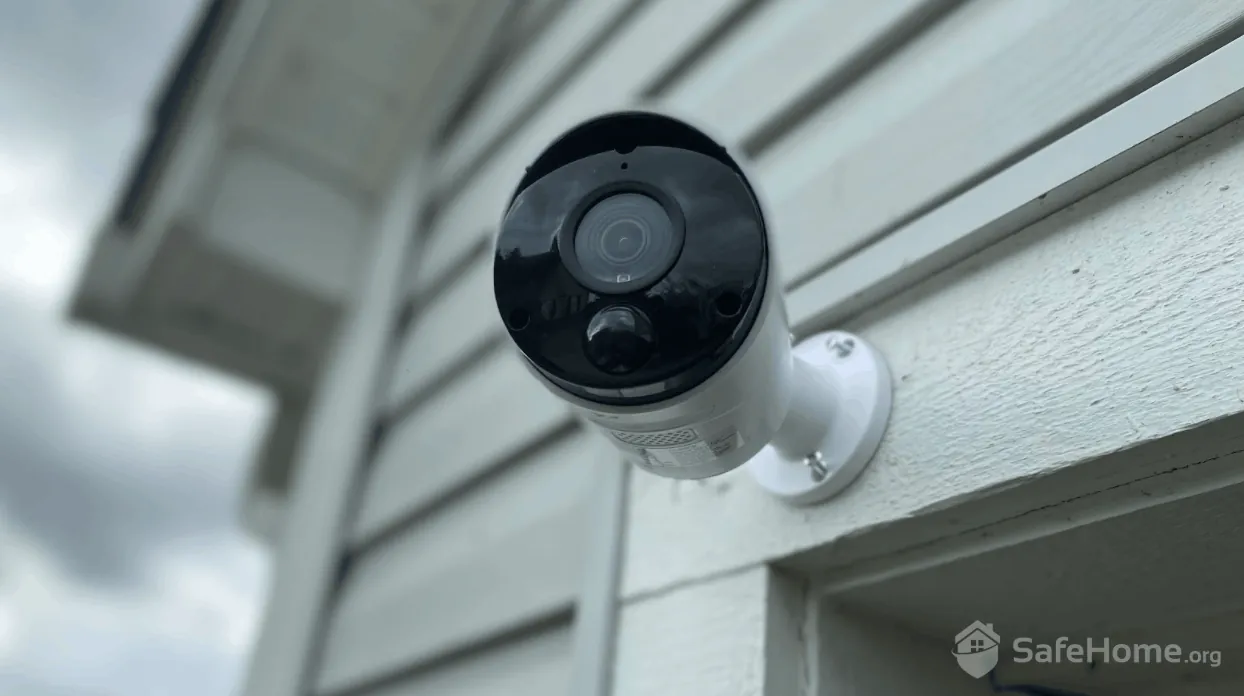
Knowing where your rights end and your neighbor’s rights begin is vital. You can’t interfere with devices that capture public spaces, but you have a reasonable expectation of privacy inside your own home. If a camera points directly into your bedroom or bathroom, that often violates local privacy statutes.
Most people mistakenly assume they can simply cut down a neighbor’s camera if it feels intrusive. This is a costly error that often leads to criminal charges for destruction of property. Instead, document the camera’s angle and verify if it captures your private living areas. If the lens focuses on a window, send a formal letter requesting a privacy shield or a change in orientation.
If the device captures audio, the law shifts entirely. In two-party consent states, recording your private conversations without permission is a felony. Check your state’s specific wiretap statutes before taking action. If the camera sits on your fence line, it constitutes a physical trespass. You have the legal right to demand its immediate removal from your property, regardless of what the camera sees.
Understanding your legal boundaries
The law generally protects the right to record in public view, but it prohibits intentional harassment or the recording of private domestic spaces. If a camera captures your backyard, you’re usually allowed to plant tall hedges or build a privacy fence on your side of the property line to stop the view. You must ensure any structure you add complies with local municipal building codes.
Before you build, check your city’s zoning ordinances for maximum fence height. Most residential zones cap fences at six feet. Exceeding this limit often triggers a mandatory removal order, forcing you to tear down the structure at your own expense.
If you attempt to disable or physically obstruct a camera that belongs to someone else, you risk charges for vandalism or destruction of property. You should always document the camera’s angle with dated photographs before you decide to install a privacy screen. This evidence helps if you ever need to involve local law enforcement or a mediator regarding a harassment claim.
The primary factor determining your options is whether the device captures a space where you have a reasonable expectation of privacy. If the lens focuses on your bathroom or bedroom window, you have grounds for a civil suit regarding invasion of privacy. If the device only captures your front driveway or a public sidewalk, courts rarely view this as a violation.
If the view crosses into your private living space, you can act; if it only sees your driveway, your options are limited to landscaping. When in doubt, consult a local property attorney to review your specific state statutes.
Steps to regain your privacy
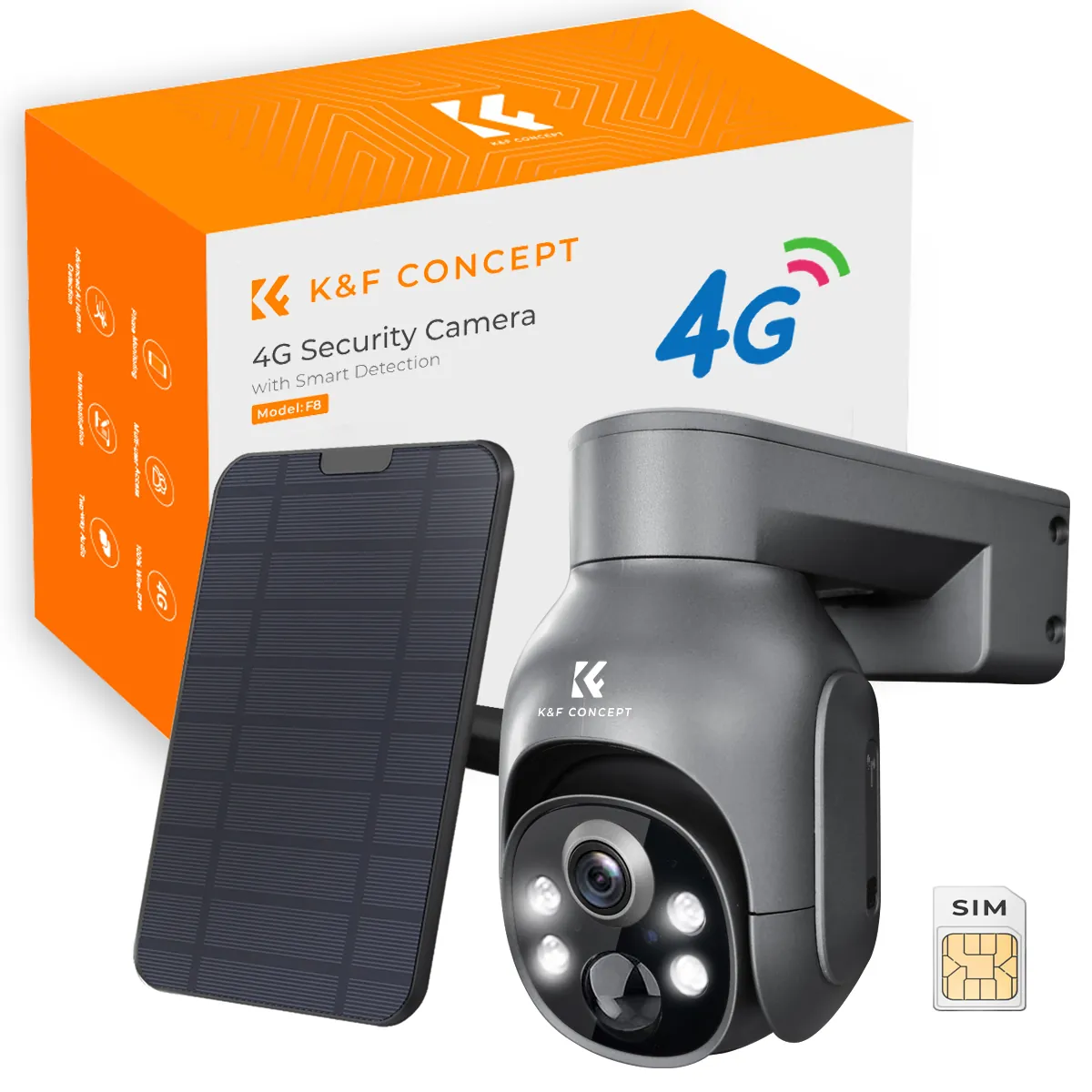
If you decide to block the line of sight, follow these steps to do it safely.
Document the camera angle first. Take clear photos from inside your home looking toward the camera to show exactly what the lens can see. This provides the evidence you need if a neighbor disputes your right to obstruct their view.
Review your property survey before breaking ground. Find the exact boundary line to ensure your new privacy screen sits entirely on your land. If you build even an inch onto a neighbor’s property, they can legally force you to tear the structure down at your own expense.
Choose a natural barrier like fast-growing evergreens or a trellis with climbing vines for a permanent visual block. If you need an immediate solution, use outdoor-rated fabric or lattice panels.
Check for building permits with your city planning office. Most municipalities restrict fence heights to six feet in backyards and four feet in front yards. If you exceed these limits, you risk heavy fines and a mandatory removal order. If your local code is ambiguous, always prioritize a hedge over a hard structure to avoid zoning classification as a fence.
The mistake that costs time and money
The most common error is physically tampering with or covering the neighbor’s lens directly. People often try to spray paint the lens or knock the camera out of position, which leads to criminal charges and expensive repair bills. You should never touch or move equipment you don’t own.
Instead, always focus on modifying your own property to create the privacy you need, as this stays within the bounds of civil law. If a camera captures your private space, install a privacy screen or plant a fast-growing hedge along your property line.
If the lens is pointed directly into your window, you’re likely dealing with harassment rather than security. In this case, document the camera’s angle with photos and contact local law enforcement to file a report.
When to seek professional help

If you feel the camera is being used for illegal surveillance or harassment, stop your own efforts and seek help.
If a neighbor refuses to move a camera pointing into your bedroom, contact a local attorney to discuss harassment claims. Most jurisdictions view direct observation of private living spaces as a violation of reasonable expectations of privacy.
If you suspect the device is recording audio, check your state laws on two-party consent. In many states, recording audio without the subject’s knowledge is a felony, regardless of whether the camera is on private property.
If you can’t resolve the dispute through calm communication, a professional mediator can settle the conflict without a lawsuit. Mediation typically costs a fraction of legal fees and prevents long-term neighborhood hostility.
Never attempt to hack the camera’s wireless feed or disable its power supply. These actions violate federal computer fraud laws and could lead to criminal charges against you. If the situation involves direct threats or clear illegal recordings, contact the police to file a formal report immediately.
Frequently asked questions
Can I spray paint my neighbor’s camera lens?
No, you can’t spray paint a neighbor’s camera lens because it’s considered intentional property damage. You’ll likely face criminal charges for vandalism and be required to pay for the replacement of the equipment. Always use legal methods like privacy screens or hedges on your own property to block the view.
How long does it take to grow a privacy hedge?
Growing a privacy hedge usually takes 2 to 4 years to provide full coverage, assuming you choose fast-growing species like Thuja or Leyland cypress. If you need an immediate result, you should install a physical privacy screen or fence instead of waiting for plants to reach the required height.
Is it legal to use a laser to block a camera?
No, using a laser to block or damage a camera is illegal in many jurisdictions because it can permanently destroy the sensor. This action is viewed as malicious destruction of property and can lead to severe fines or legal consequences. Never use light beams or other tools to interfere with electronic devices.
What happens if I move the camera myself?
If you move the camera yourself, you’re committing trespassing and property interference, which can lead to police involvement. Even if the camera is technically pointed at your house, you have no legal right to touch or adjust the device. Always resolve these disputes through civil communication or legal channels.
Does it matter if the camera is fake?
It doesn’t matter if the camera is fake because you can’t prove its status without trespassing or damaging it. You should treat every camera as if it’s active and follow the same legal steps to ensure your privacy. If you believe the camera is fake, you may be able to reach a resolution faster by simply asking the neighbor about it.
How do I know if the camera is recording audio?
You can’t know if the camera is recording audio just by looking at it, but you should assume it’s if the device has a visible microphone port. If you’re worried about audio privacy, check your state’s wiretap laws to see if recording conversations without consent is prohibited in your area.
Can I use a signal jammer?
No, you can’t use a signal jammer because they’re strictly regulated and prohibited by federal law in the United States. Using such a device interferes with emergency communications and carries heavy legal penalties, including significant fines. Never attempt to disrupt wireless signals to block a security camera.
Conclusion
Start by speaking with your neighbor calmly to explain your concerns about the camera’s current angle. If they refuse to adjust it, install a privacy screen on your side of the property line to block the view immediately. If you find the camera is capturing private areas of your home despite your efforts, contact a local attorney to discuss your rights regarding privacy and harassment.